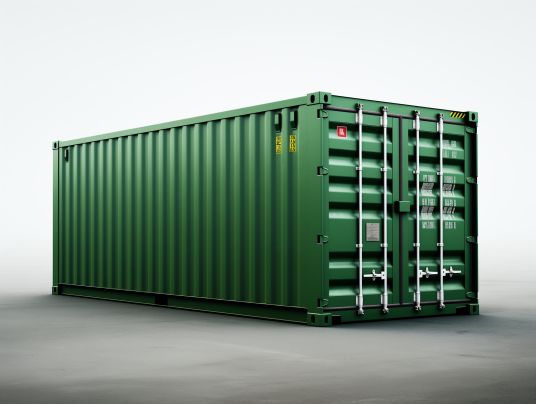
“Sea can,” “c-can,” and “shipping container” all mean the same thing: a standard steel ISO intermodal container used to ship freight and, later, for storage. The names are regional slang, not different products. In Saskatchewan and across Western Canada, “sea can” (and its spelling “c-can”) is the everyday term. Here’s where each name comes from and what to actually look for when you buy one.
They’re All the Same Steel Box
Whatever you call it, you’re talking about a corrugated steel container built to the ISO 6346 international standard, with the same corner castings, the same 8ft width, and the same CSC (Convention for Safe Containers) safety plate on the door. The container that crosses an ocean on a ship is identical to the one sitting in a Saskatchewan farmyard — it’s just had a career change.
Where Each Name Comes From
- Sea can — Canadian and military slang. The container travelled by sea, and it’s a metal can(ister). Extremely common in Saskatchewan, Alberta, and Manitoba.
- C-can — a spelling of “sea can” (the “C” is just how people write the sound). You’ll see both “sea can” and “c-can” used interchangeably, sometimes on the same lot. It’s why our name is C-Can Sam.
- Shipping container — the plain, universal English term. What you’ll see in most written listings and this is the formal name.
- Conex — from “Container Express,” a US military term dating to the Korean War era. Common in the US, less so in Canada.
- Cargo container / freight container / intermodal container — technical/industry terms for the same unit.
- ISO container — emphasizes that it meets the international size and strength standard.
So if you searched “sea can,” “c can for sale,” or “shipping containers Saskatchewan” and landed here — you’re all looking for the same thing.
Does “Sea Container” Mean Something Different?
No. “Sea container” is just another variant of “sea can” / “shipping container.” Occasionally people use “sea container” to stress that a unit is a genuine ocean-going container (as opposed to a locally built storage shed that looks similar), but functionally it’s the same steel box.
What Actually Varies Between Containers
The name doesn’t matter — these four things do:
- Size — 9ft mini, 20ft standard, 40ft standard, and 40ft high cube are the common sizes. See our guide on what size container you need.
- Condition grade — one-trip (new), cargo-worthy, wind & water-tight, or as-is. This is covered in new vs used containers.
- Height — standard containers are 8’6” tall; high cubes are 9’6”.
- Modifications — doors, windows, vents, and shelving. See container modifications.
Quick Reference
| You might say… | It means… |
|---|---|
| Sea can / c-can | Standard steel shipping container (Western Canada slang) |
| Shipping container | The universal term |
| Conex | Same thing (US/military origin) |
| Cargo / intermodal / ISO container | Industry/technical terms |
| Sea container | Same as sea can |
Frequently Asked Questions
Is a sea can the same as a shipping container? Yes. “Sea can” is Western Canadian slang for a standard steel shipping container. There is no physical difference.
What’s the difference between a sea can and a c-can? None — “c-can” is simply a spelling of “sea can.” Both describe the same steel shipping container.
Why do people in Saskatchewan say “sea can”? It’s regional slang: the container travelled by sea and is a large metal can. The term is standard across the prairies, which is why buyers here search “sea can” far more than “shipping container.”
What is a conex box? “Conex” (Container Express) is a mostly US/military term for the same standard steel shipping container Canadians call a sea can.
Whatever you call it, C-Can Sam has it. Browse sea cans for sale, request a quote, or call 1-844-473-2226.
Ready to Get Started?
Whether you need a container for storage, construction, or a creative project, we're here to help you find the perfect solution.